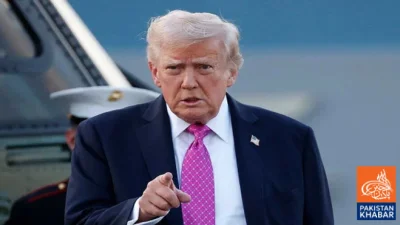
Tehran (Monitoring Desk) – The ongoing war between the United States and Iran has intensified, with U.S. President Donald Trump’s recent remarks further complicating the situation. In an interview, Trump stated that he seeks control over Iran’s oil, sparking widespread international criticism.
Meanwhile, Iran has accused the U.S. of planning a ground attack, even as Washington publicly advocates for negotiations. This contradictory stance has increased uncertainty in the region.
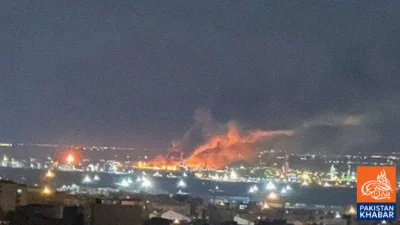
Kuwait confirmed that an Iranian attack targeted a power and desalination plant, killing one Indian worker. Various Gulf states have also claimed to have intercepted Iranian drones and missiles. Reports indicate that the U.S. and Israel targeted a petrochemical plant in Tabriz, Iran, while power supply was disrupted in parts of Tehran. In response, Iranian forces targeted an industrial area in southern Israel, raising fears of fires and chemical leaks.
Israel also reported intercepting two drones launched from Yemen, and the United Nations confirmed the death of a peacekeeper in southern Lebanon.
Meanwhile, a crucial meeting was held in Islamabad between the foreign ministers of Pakistan, Egypt, Turkey, and Saudi Arabia, reaffirming their commitment to de-escalation and seeking a diplomatic solution. Experts warn that the ongoing tension in the region poses a significant threat not only to the Middle East but also to the global economy, energy supply, and regional stability.